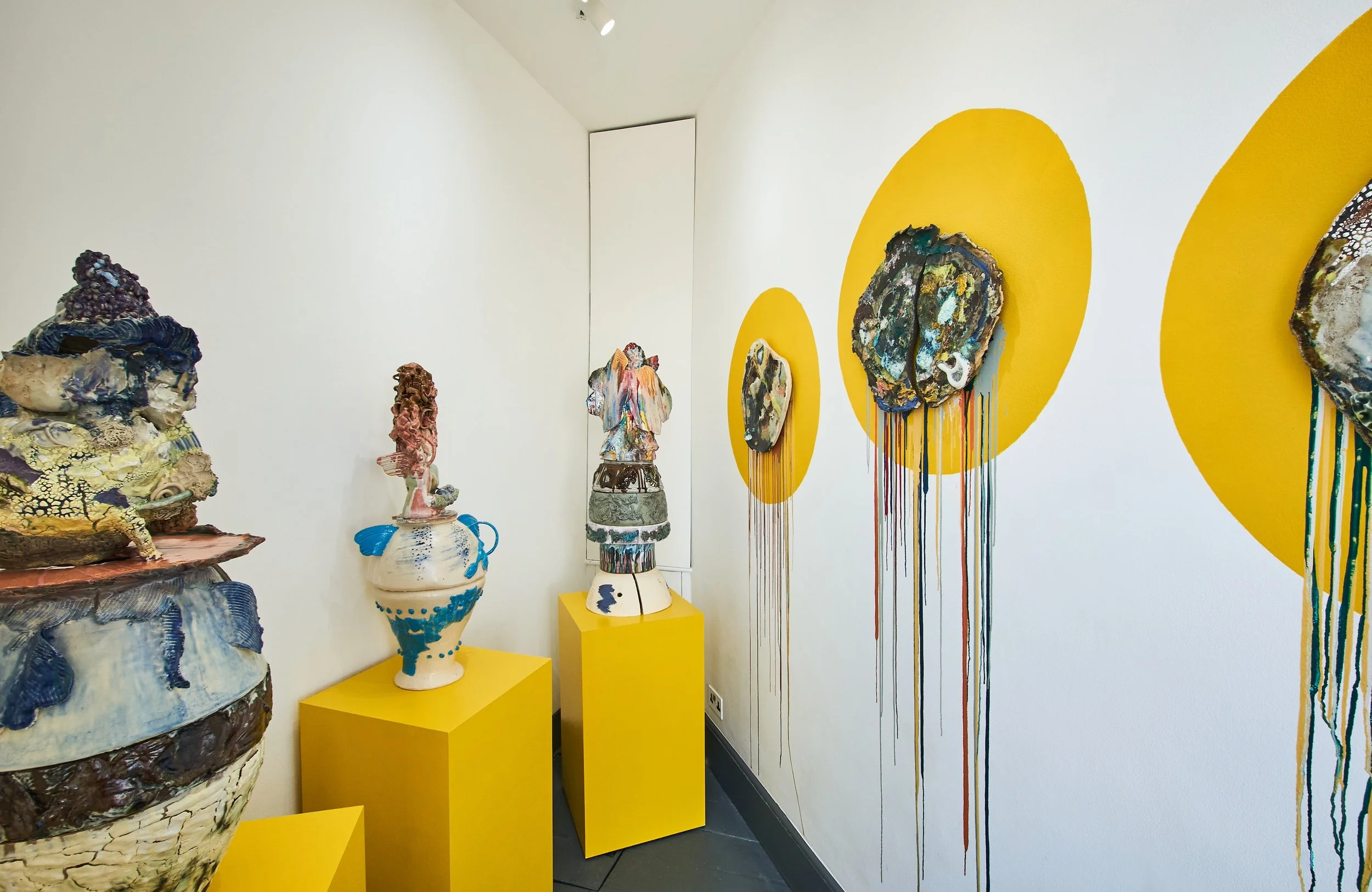
Phantasms & Frequencies
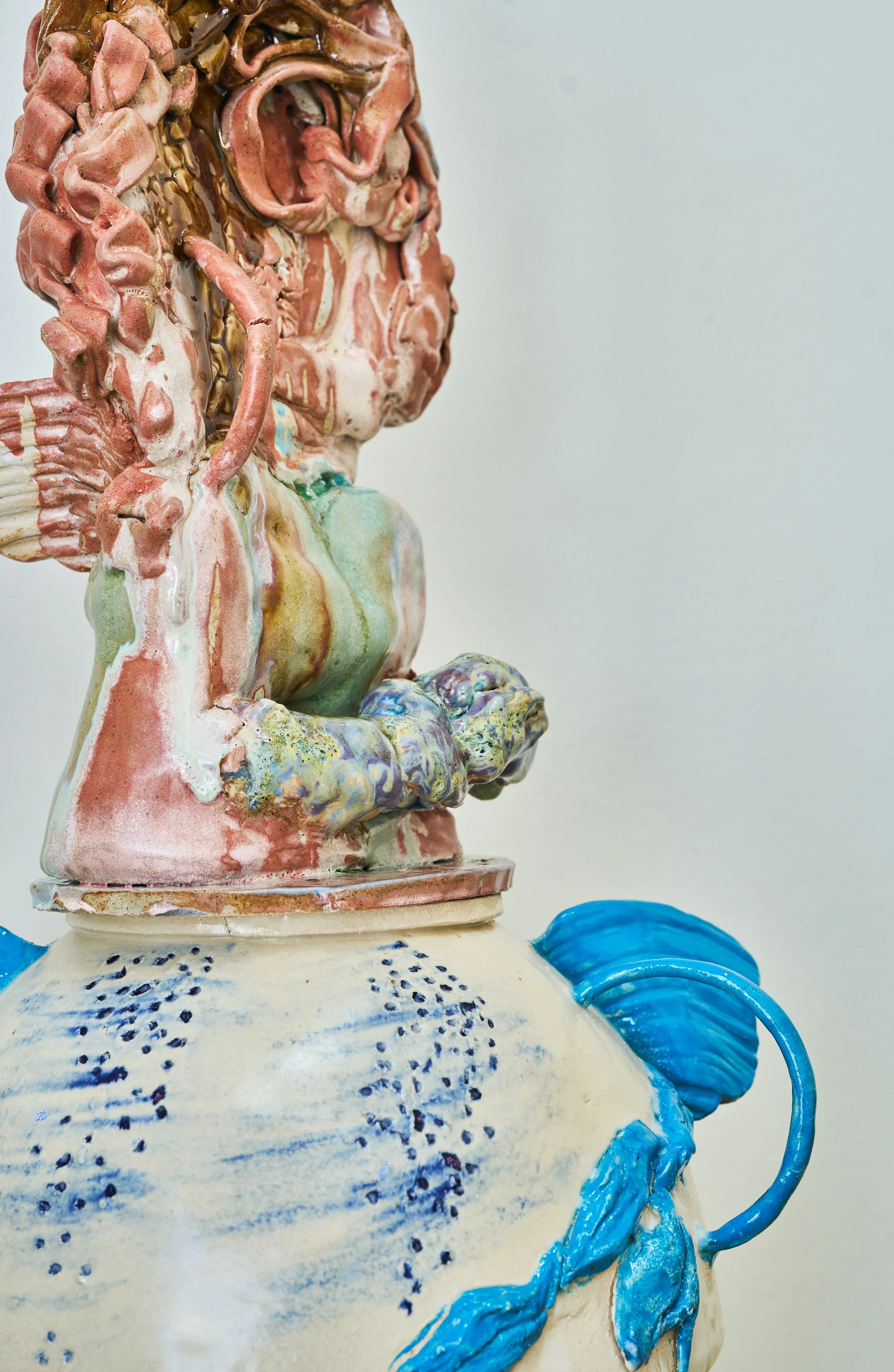
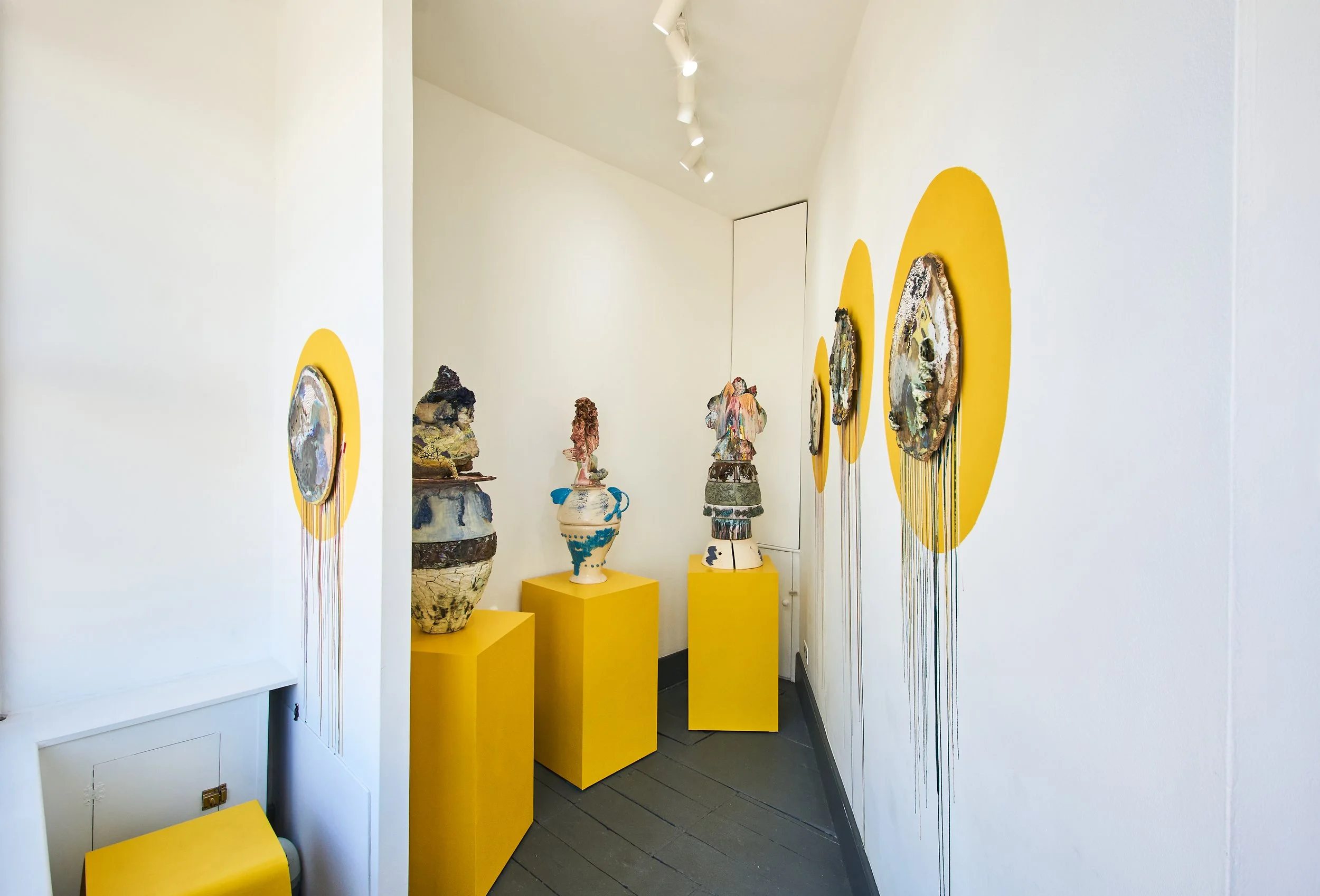
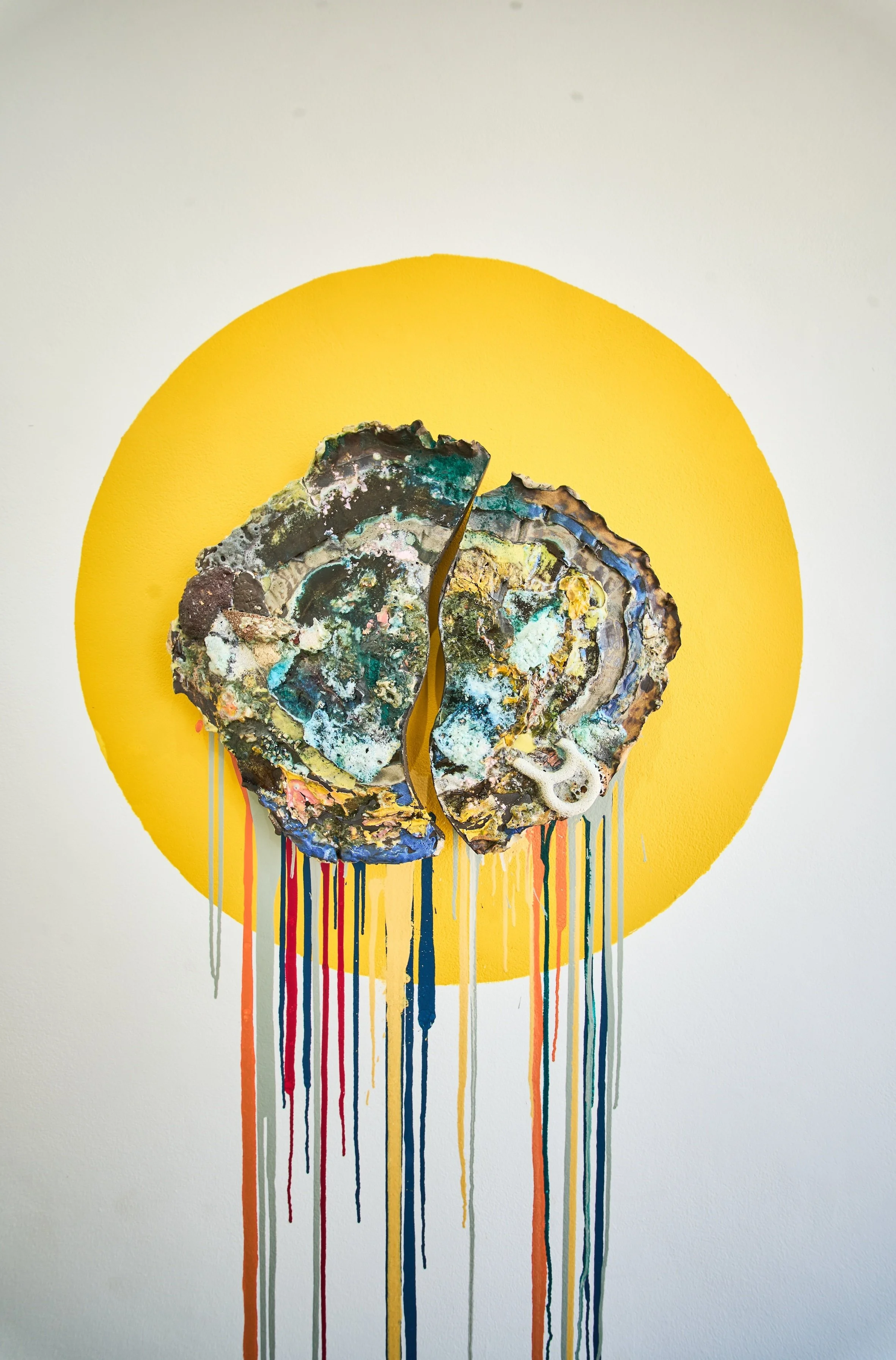
Phantasms & Frequencies
Liminal Gallery, 18 June – 5 July
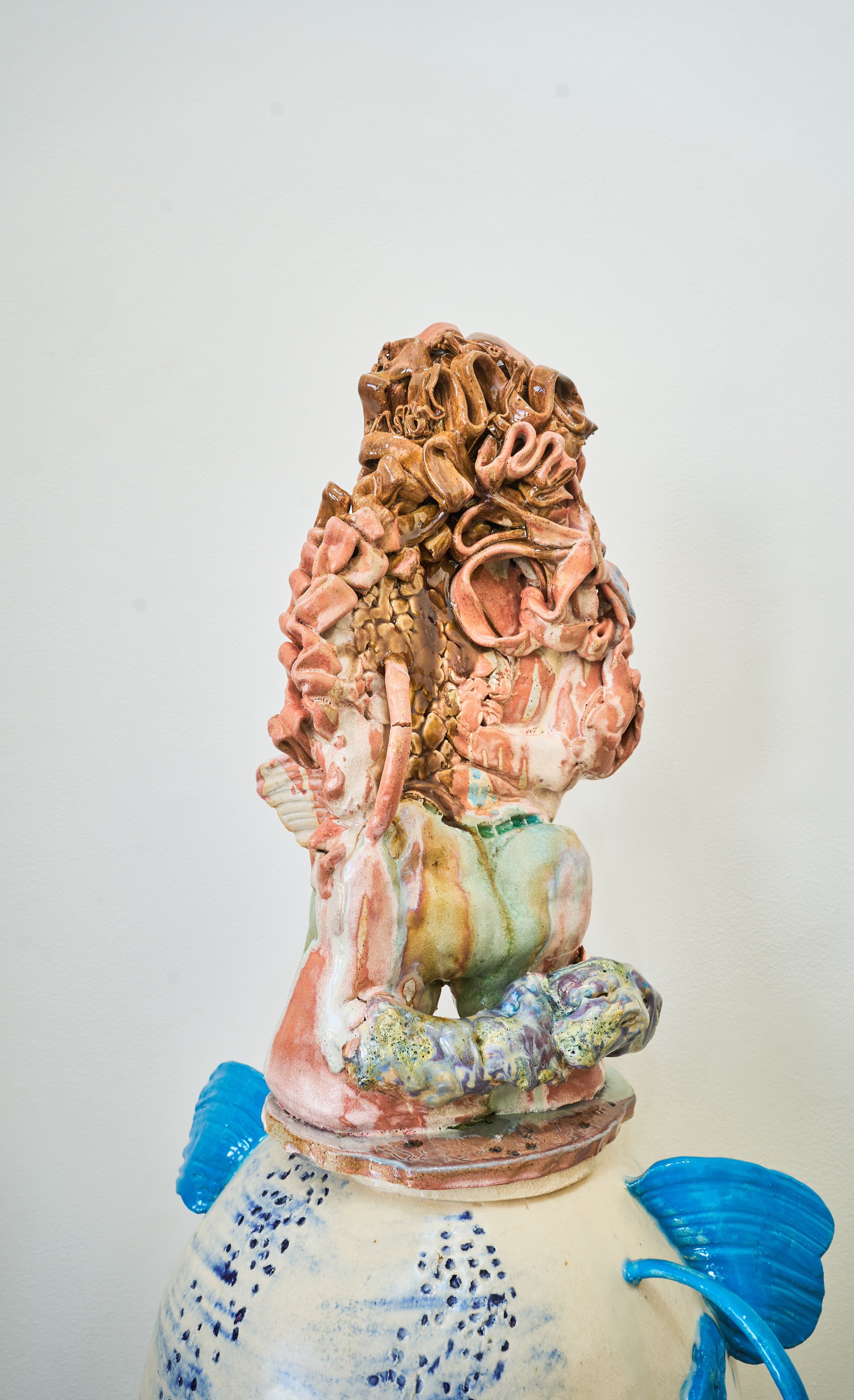
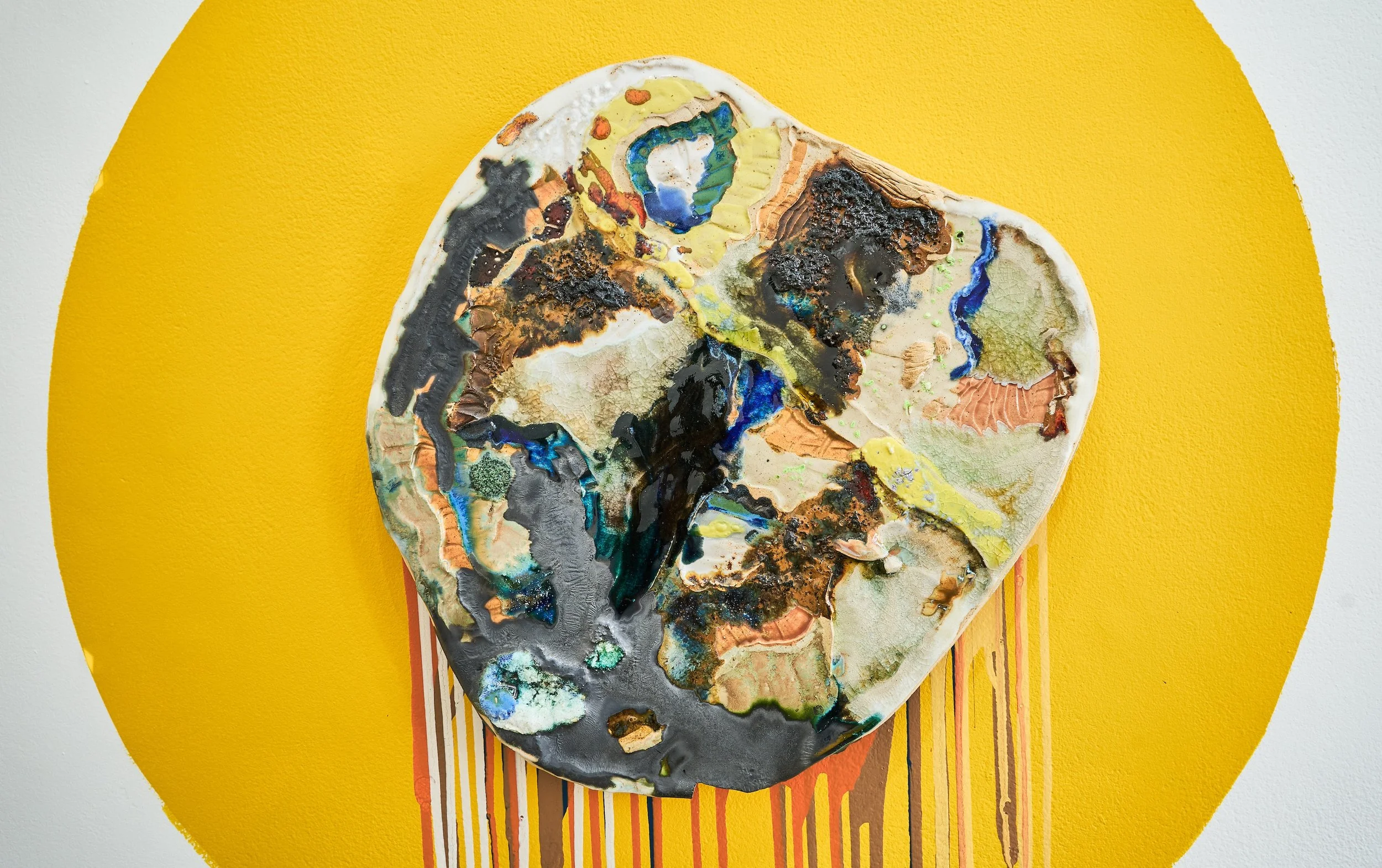
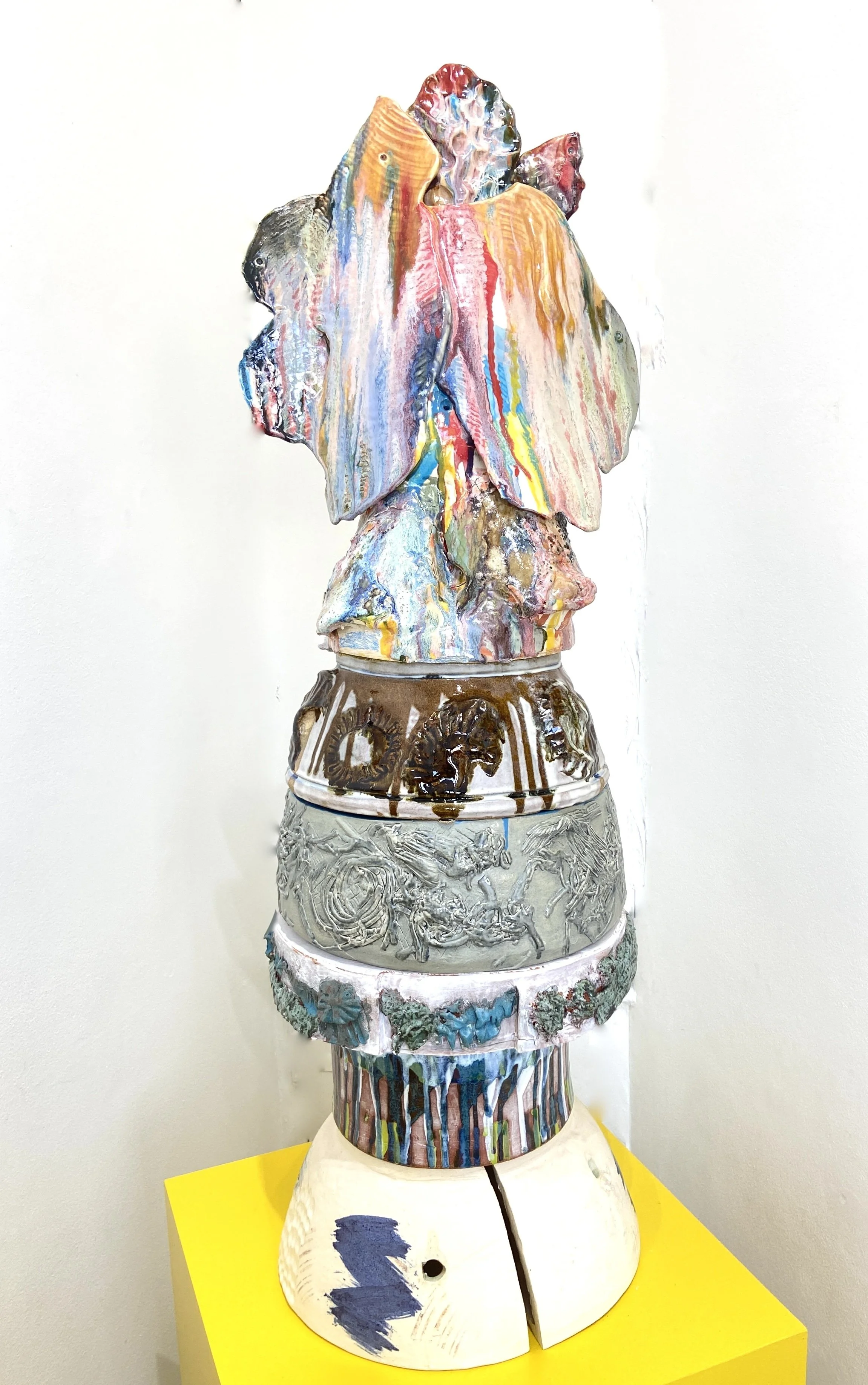
A new body of ceramic sculpture by Julia Ellen Lancaster
Over recent years, Lancaster has worked across a range of sculptural techniques, but with a consistent focus on clay. For Lancaster, clay is a medium capable of giving material form to qualities more commonly encountered in music, poetry, and drama. Through it, fictional narratives emerge from a deep sensitivity to experience, translated into fleeting impressions and a language of form that is at once intuitive and complex.
Clay is a medium of magic, one that is transformed by fire into a new state that can never be undone. Lancaster’s practice remains closely tied to the material labour of transformation, making use of reclaimed clays and recycled glazes.
Lancaster’s work absorbs references from landscape, the body, and the partially formed sounds and sensations encountered in dreamlike states, the moments just before waking. Images arise in quick succession, a rush of energy followed by a quiet calm, or even emptiness. These are glimpses, sudden and fleeting; a starless sky that is not entirely void; a field imagined in a future state, marked by the scars of extraction; a body crystallised into the landscape.
Within these dreamlike terrains appears the ghost of Pandora, the figure from Greek mythology created as the first woman. Pandora was given a vessel resembling a large storage jar, originally imagined as a clay pot, and instructed never to open it. Overcome by curiosity, she lifted the lid and released countless evils into the world. Only at the last moment did she close the vessel again, leaving Hope inside, preserved either as a fragile comfort for humanity, or, in another interpretation, as the greatest deception of all, prolonging human suffering.
In her studio Lancaster works amid a constellation of materials, collected remnants and fragments, shards of glazed ceramics, glass, rocks, rubble, dust, and mosaic gathered from different places. Almost anywhere she goes she is looking out for these kinds of materials. Buckets of clay and glaze sit at various stages of recycling, alongside numerous test pieces and experiments. Her process combines methodical physical labour with a form of material automatism; a mode of making in which texture, weight, and responsiveness guide the work. There is a subtle surrealism present throughout Lancaster’s practice, shaped by artists she reveres, including Linda Benglis, Ithell Colquhoun, and Eva Hesse, as well as the lesser-known ceramic works of Lucio Fontana, such as Deposition (1953) and Crucifixion (1951).
In this exhibition Lancaster introduces forms more readily recognisable as vessels, invoking both historical ceramic traditions and the proximity of the vessel form to the human body with its curves, feet and lips, particularly the female body. These forms operate as supports for metamorphosis, structures that hold the traces of transformation. Much like a sound, poem, or song, they move between containment and release, reaching toward moments of intimate recognition.
Working from her studio on the coast has sharpened Lancaster’s attentiveness to the rhythms of weather and tide. The daily presence of shifting skies, wind patterns, and the slow breathing of the sea produces a heightened awareness of cyclical time, of change that is constant yet never entirely predictable. This sensitivity to atmospheric rhythm informs her engagement with landscape, not as a static backdrop but as a living system of forces and durations. Within Lancaster’s work these cycles resonate with the embodied rhythms of womanhood, processes of growth, fluctuation, endurance, and renewal. The landscape and the body become intertwined registers through which time is felt, through erosion, accumulation, and transformation, each leaving subtle traces within the forms she produces
Underlying this body of work is an emerging sense of what might be called a soft world, a mode of making that resists the logic of extraction and domination that has long shaped both landscapes and materials. Instead, Lancaster’s ceramics propose a quieter ethic of coexistence. Through processes of reuse, responsiveness, and care for material histories, her work gestures toward forms of relation in which objects, bodies, and environments exist not as resources to be exhausted, but as presences to be encountered, held, and sustained together.
Generously sponsored by PICOSO Drinks
info@liminalgallery.com | Liminal Gallery, 34 Fort Hill, Margate, CT9 1HD
Meer Magazine/Art, 20 June 2026